


Originally published in Forbes Business Development Council
Traditionally, one of the core concepts of sales and marketing is the sales funnel through which companies are supposed to move prospects from awareness through consideration to engagement, and finally to purchase. Here are three examples where this breaks
Depending on the industry and size of an organization, its dominant revenue stream varies.
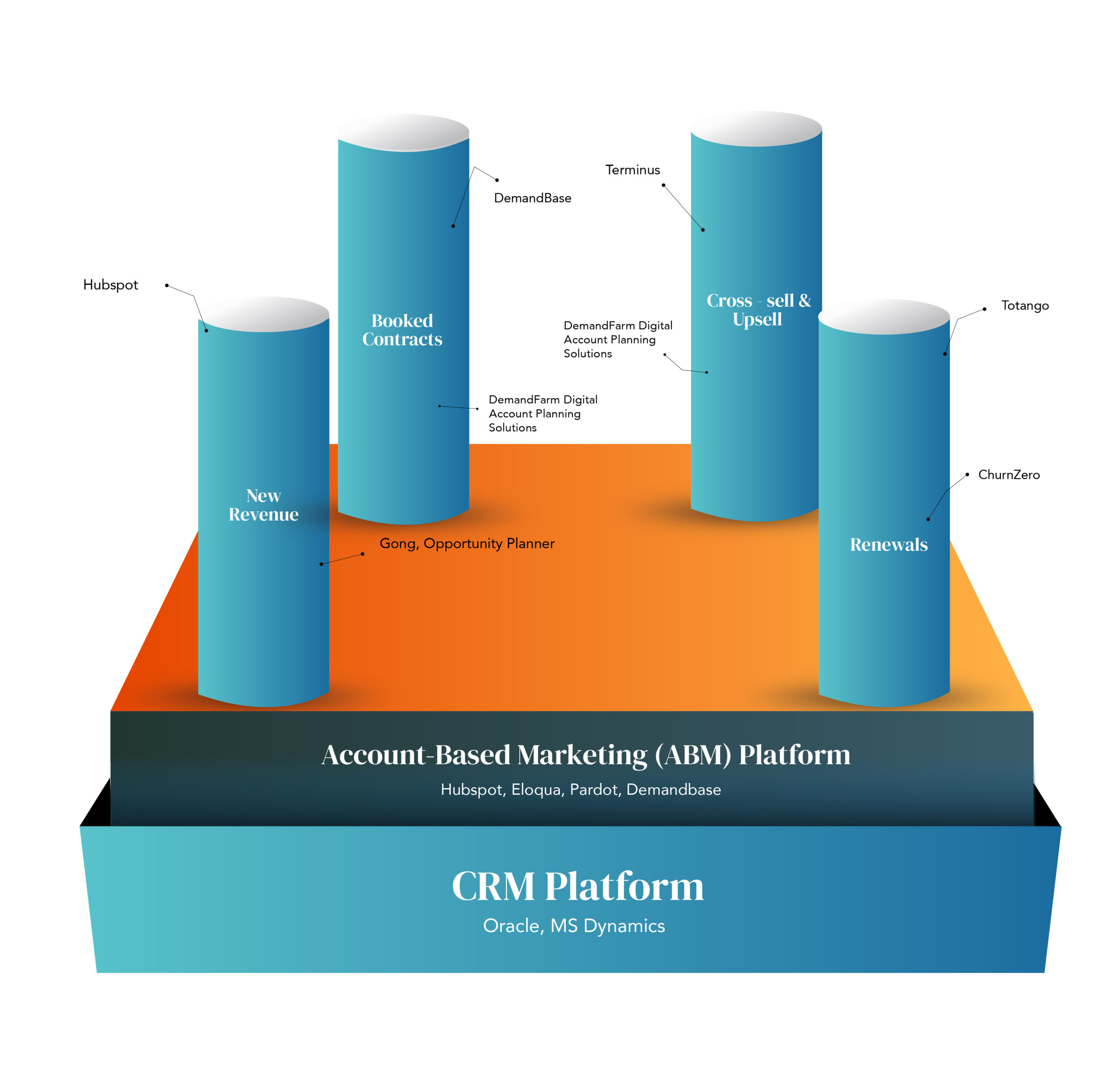 An ideal revenue platform enables a business to efficiently and effectively manage its revenue streams. Such a platform should have several key features that make it the go-to solution for businesses looking to optimize their revenue streams.
- How does funnel make sense if 67% of the sales cycle is completed on digital channels before contacting the company?
- Opportunities from existing customers in the case of cross-sell & upsell start at the bottom of the funnel.
- In case of ‘booked’ revenue, typical opportunities don’t get created most of the time, so funnel is not even in the picture here.
Is the B2B Sales Funnel relevant anymore?
One of the main issues with the sales funnel, especially in the B2B industry, is that the customer journey is no longer linear. Prospects no longer enter at just the top of the funnel. Customers come in at any stage and often jump stages or move back & forth between them. Since customer acquisition has changed within the B2B sphere, the sales funnel is a bit outdated. What happens in a conventional sales funnel? Marketing generates a bunch of leads and passes the qualified ones to sales who then attempt to win the deals. Several B2B companies offer not only many solutions, but solutions that involve long-term engagements with their customers. For such organizations, winning the deal is only the beginning. In certain cases, Key Accounts are further identified which are given additional attention. In order to bypass the inconsistencies that the ‘sales funnel’ approach brings, a shift in perspective might be necessary. What if B2B sales and marketing are seen from the perspective of distinct revenue streams?The 4 streams of revenue for a B2B Company
There are four primary sources of revenue for any B2B company.- New revenue – Opportunities from new customers
- Renewal revenue – Renewal opportunities from existing customers
- Booked revenue – Revenue contribution from existing contracts for a multi-year engagement. This is different from renewal revenue in the sense that product/services have to be delivered to realize the revenue. Opportunities rarely get created in the CRM for this stream of revenue.
- Cross-sell/ Upsell revenue – Cross-sell and Upsell opportunities from existing customers.
Which revenue stream is dominant in your industry?
| Industries/ Revenue Streams | New Revenue | Renewal Revenue | Booked Revenue | Cross/Up Sell Revenue |
| Mid to Large Business Services | 5-10% | 5-10% | 60-70% | 10-20% |
| Mid to Large B2B SaaS companies | 15-25% | 65-70% | 5-10% | 15-25% |
| Mid to Large Manufacturing/Industrial | 20-30% | 5-10% | 60-70% | 10-20% |
| Small companies / Early stage solutions | 30-50% | 30-50% | 10-20% | 10-20% |
- For Mid to Large Business Services such as IT, Professional, Staffing, Marketing, Outsourcing, the dominant source of revenue is ‘Booked Revenue’
- For Mid to Large B2B SaaS companies, ‘Renewal Revenue’ should be prioritized
- For Mid to Large Manufacturing/Industrial, ‘Booked Revenue’ is the most dominant source
- For Small companies – Early stage, commoditized or undifferentiated products/solutions- ‘New Revenue’ and ‘Booked Revenue’ dominate revenue streams.
Revenue streams should shape your sales and marketing approaches.
Depending on which revenue stream is most dominant in the industry, the sales and marketing approaches should change. Each type of revenue stream requires different teams and different aspects of sales and marketing to be prioritized. This does not mean that there is no overlap between the sources of revenue or the sales and marketing approaches they require. However, it does imply that optimizing and streamlining them can help your ROI.Winning the CFOs approval: How to Present RoI of a Key Account Management Software
What should companies seek in a revenue platform?
An ideal revenue platform enables a business to efficiently and effectively manage its revenue streams. Such a platform should have several key features that make it the go-to solution for businesses looking to optimize their revenue streams.
1. New Revenue Platform
If you are looking to increase revenue from ‘New Revenue’ sources, it’s necessary to have a specialized tool that can help convert more deals by finding more leads with the aid of prospecting tools.Sales Tools for New Revenue
A perfect sales tool for optimizing new revenue streams should ideally have- Sales automation for repetitive tasks
- Visual sales pipeline management to track deals, manage sales stages, and monitor progress.
- Customer relationship management with a centralized database
- Sales forecasting with insights for revenue forecasting and trend analysis.
Marketing Tools for New Revenue
A perfect marketing tool for optimizing new revenue streams should have features including:- Lead generation capabilities through various channels
- Marketing automation for repetitive tasks
- Customer segmentation to create targeted campaigns
- Analytics and reporting to track campaign performance, analyze trends, and identify opportunities for optimization.
2. Renewal Revenue Platform
Sales Tools for Renewal Revenue
The sales approach to increasing renewal revenue involves prioritizing customer success. Anticipating customer needs and providing flexibility is vital to this. For optimal renewal revenue, a sales tool must have automated renewal reminders to send out reminders when it’s time for customers to renew. Second, it should have a database of customer information so you can target offers that are tailored to their needs. Additionally, you should be able to customize your pricing and discounts, and get analytics and reporting to help you forecast future revenue and spot trends. Customer Success platforms like ChurnZero ensures subscription -based business can reduce customer churn and increase revenue by providing data-driven insights. The platform provides automation tools to help businesses deliver a personalized and proactive customer experience.Marketing Tools for Renewal Revenue
An ideal marketing solution for optimizing renewal revenue will have features to accommodate automated renewal reminders, customer segmentation capabilities to enable marketers to target renewal campaigns. Analytics and reporting from such tools aid customizable incentives to prompt customers to renew their contracts. Totango, while not strictly a marketing tool, is one such customer success platform that helps businesses to increase customer engagement and retention. Tools that integrate with other business tools, such as marketing automation tools, can provide your business with a holistic view of the customers’ journey.3. Booked Contracts Revenue
Sales Tools for Booked Contracts
For Booked Contracts, the sales approach involves maintaining good communication and customer service to ensure that a contract is implemented smoothly and successfully. Specialized Key Account Management tools like DemandFarm come in handy to identify whitespaces and harness key relationships. With multi-year contracts, ‘Booked Contract’ revenue is all about delivering on the agreed terms to get the revenue. Key Account Management tools can help sales teams and account managers in the following manner:-- Improved customer insights: Sales teams gain a better understanding of their customers’ needs. This can be used to personalize offers for efficient implementation of booked contracts.
- Targeted communication: Targeted communication with customers, ensures that they receive timely and relevant information about their contracts and renewal options. This can help to increase customer loyalty.
- Performance tracking: Key Account Management tools like DemandFarm can provide contextual insights and analytics that help sales teams and account managers track the real-time performance of their contracts and identify opportunities. This can optimize booked contract revenue over time.